
Antistatic Filtration Solutions
Engineered by inserting antistatic threads/yarns into the fabric structure to control static build-up, improve safety and ensure reliable performance in critical filtration applications.
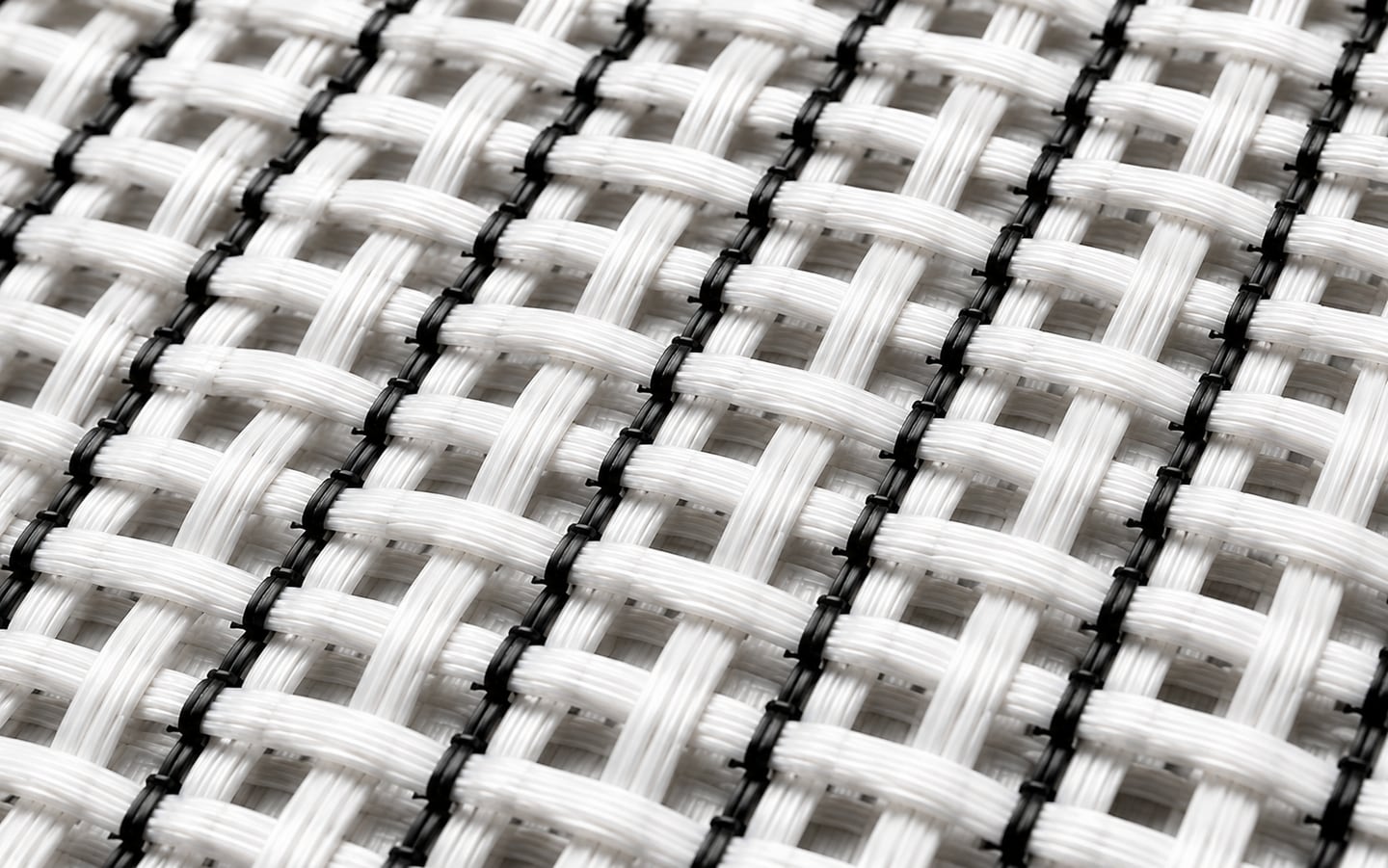
How It Works
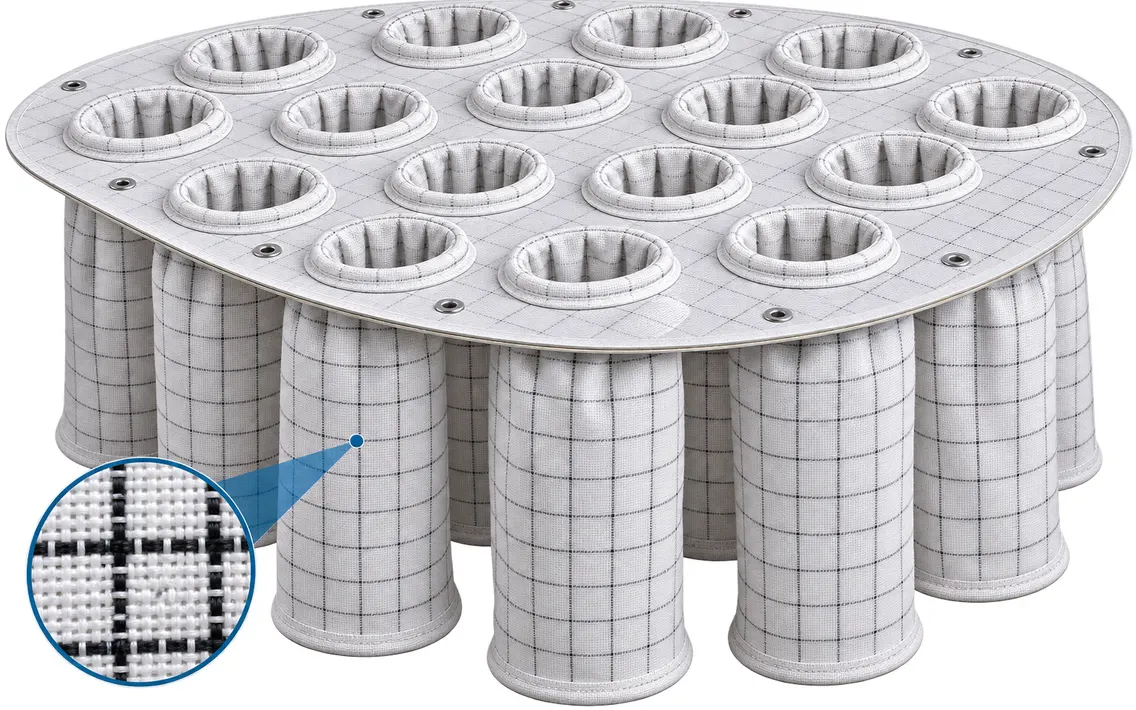
Antistatic (conductive) threads/yarns are inserted into the fabric at defined intervals and in selected direction(s) to dissipate or decay static charges effectively.
Direction
Antistatic threads can be inserted in weft, warp or both directions depending on application.
Common Spacings
5 mm / 10 mm / 25 mm. Other spacings available on request.
Performance Level
Spacing and orientation determine the level of antistatic performance required.
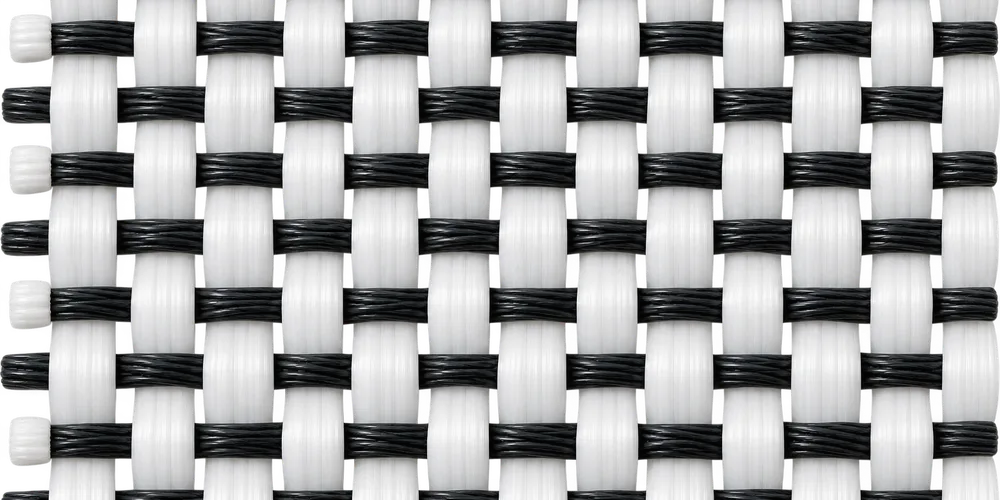
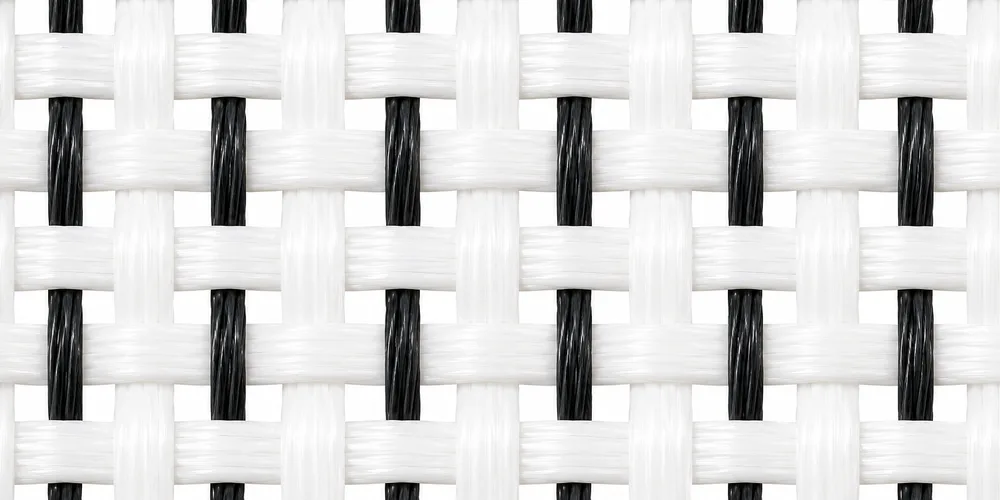
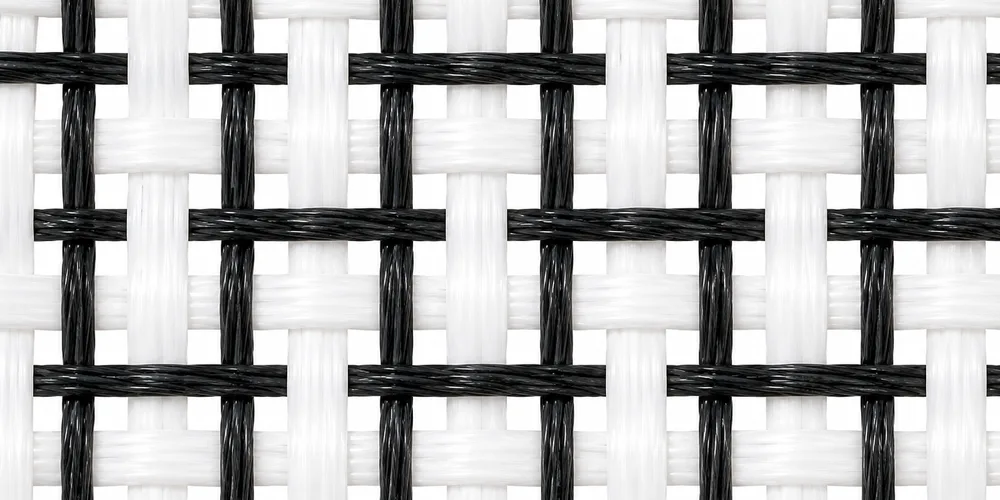
Yarn & Fabric Options
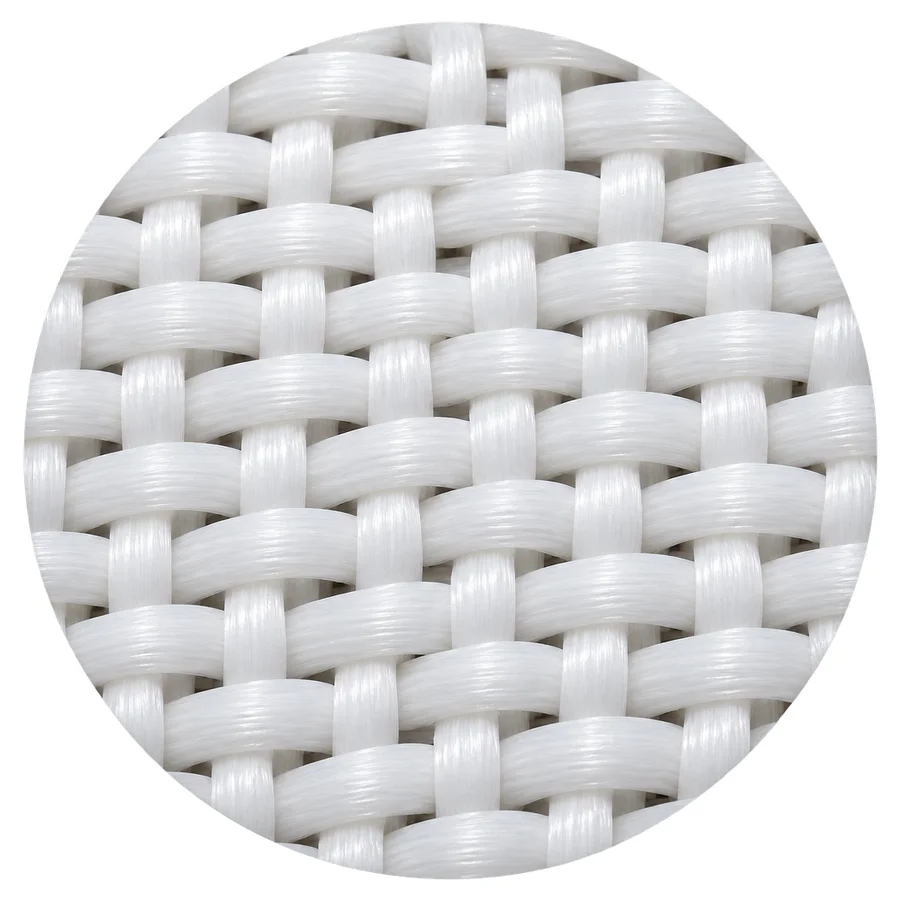
Base Fabric
Choose your base:
- Polypropylene (PP)
- Polyester (PET)
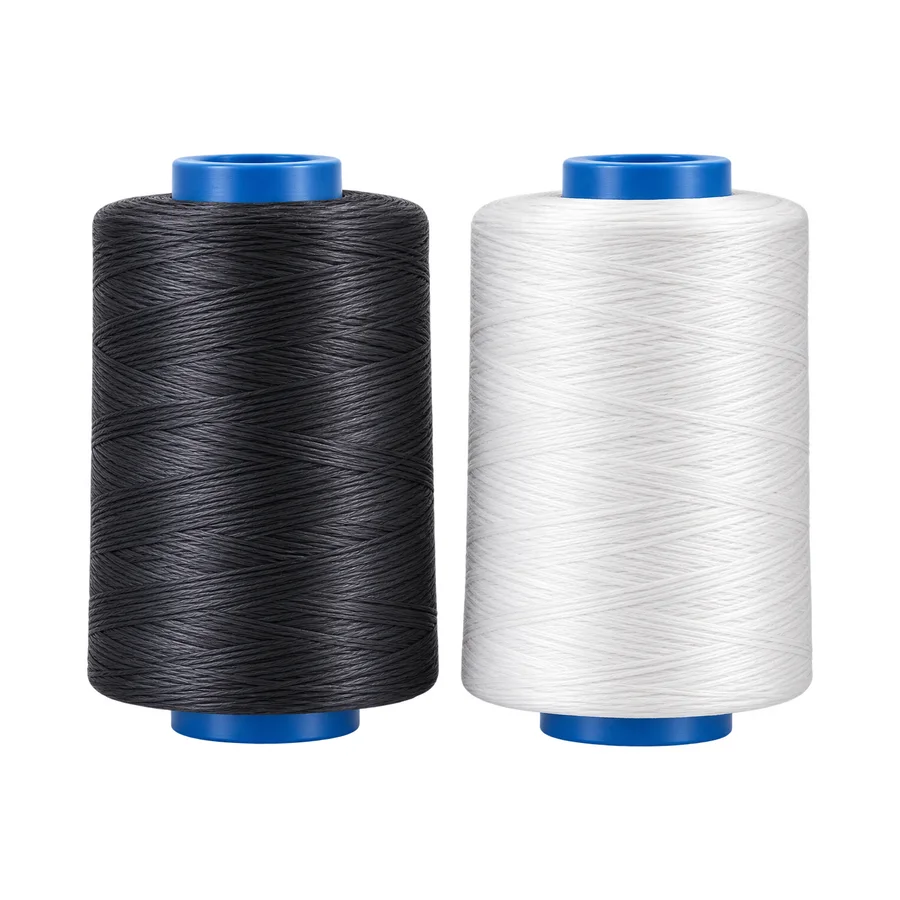
Antistatic Yarn Options
Antistatic yarns are a blend of polymer with either Stainless Steel (SS) or Carbon.
- PP + SS
- PP + Carbon
- PET + SS
- PET + Carbon
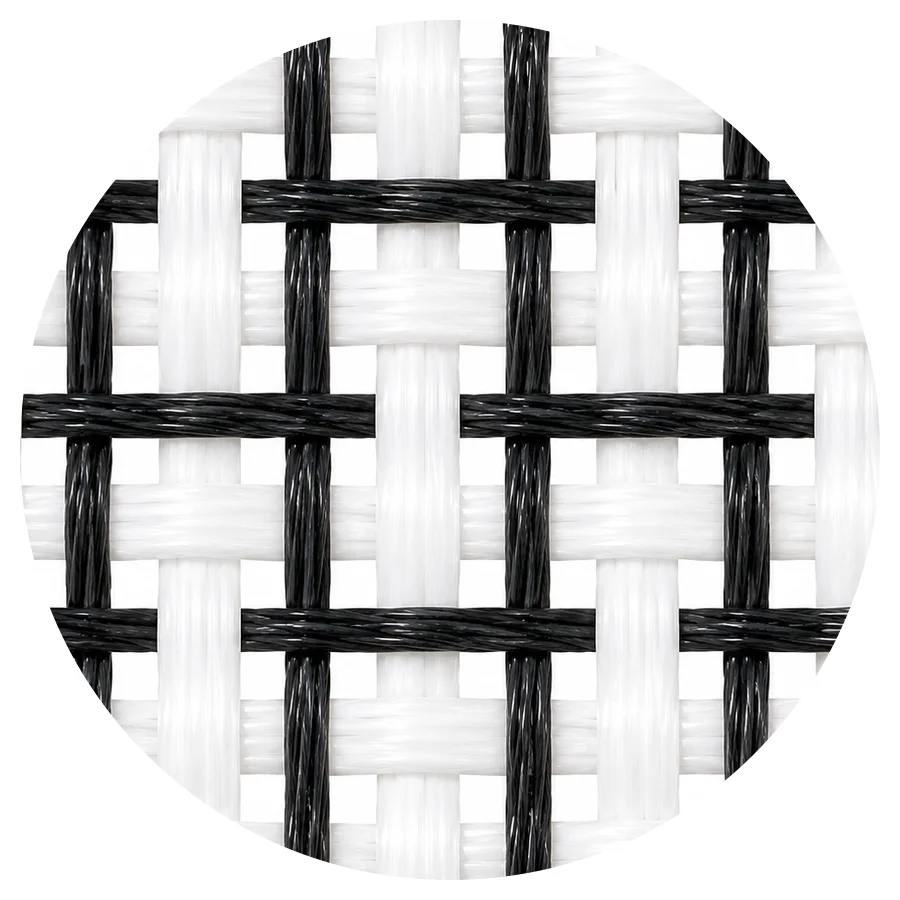
Direction
Insert in:
- Weft direction
- Warp direction
- Both directions
Antistatic Performance Options
SS Blend (Conductive)
EN 1149-1 · Requires Earthing / GroundingStainless steel blend yarns provide a true conductive path for static charge dissipation when the system is properly earthed.
- Provides conductive performance with earthing
- Meets EN 1149-1 standard
- Ideal for processes with earthing facilities
Carbon Blend (Dissipative)
EN 1149-3 · No Earthing RequiredCarbon blend yarns provide static charge decay capability without the need for earthing or grounding.
- Dissipative performance without earthing
- Meets EN 1149-3 standard
- Ideal for applications where earthing is not possible
Verified in our own laboratory
Antistatic properties are tested in-house for surface resistivity, decay half time and shielding factor, to EN 1149-1 and EN 1149-3. See our test capabilities.
Application Examples
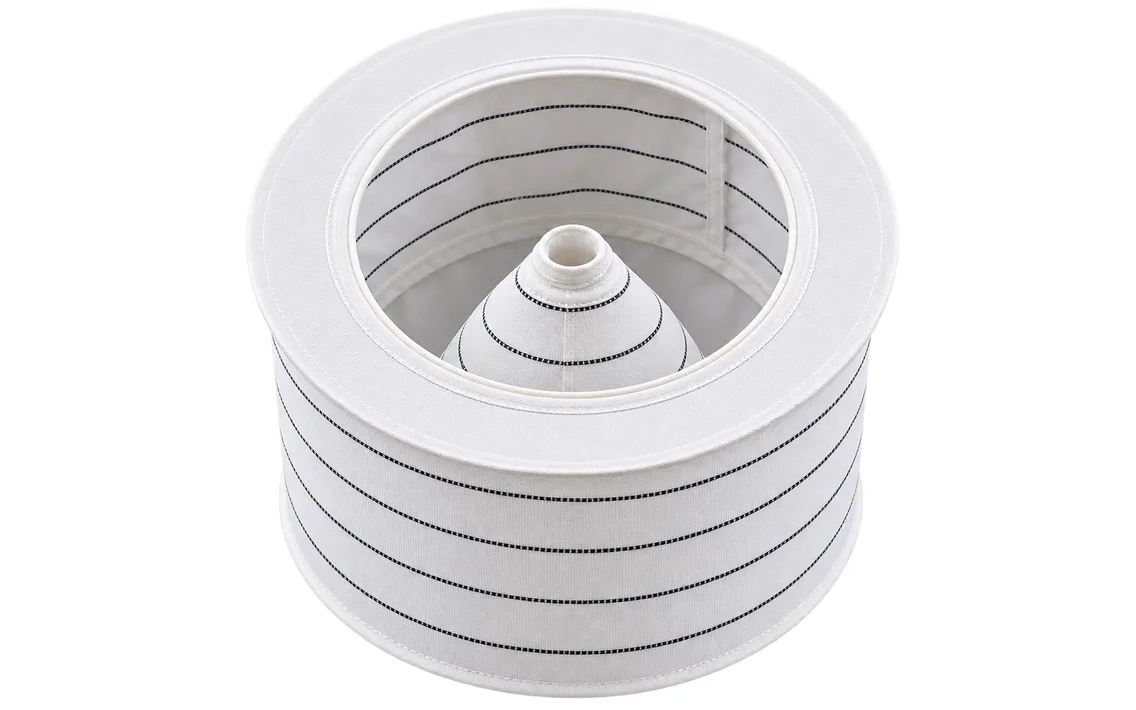
Centrifuge Bags (Pharma Industries)
Antistatic yarns at 25 mm spacing in either the warp or weft direction — a common specification for pharmaceutical centrifuge duty where solvent-wet powders are handled.
Fluid Bed Dryer Bags
A tighter 10 mm grid in both directions for fluid bed drying, where high air velocities over dry powder generate significantly more static charge.
Handling solvents
or fine dry powders?
Tell us whether earthing is available at the equipment and what standard your plant works to. We will recommend an SS or carbon blend, a spacing and a direction — and test the result before it ships.