
Engineering the Right Filtration Fabric.
Filtration performance is engineered through the selection of polymer, yarn construction, weave structure and surface finishing. Every element impacts how a fabric performs in your process.
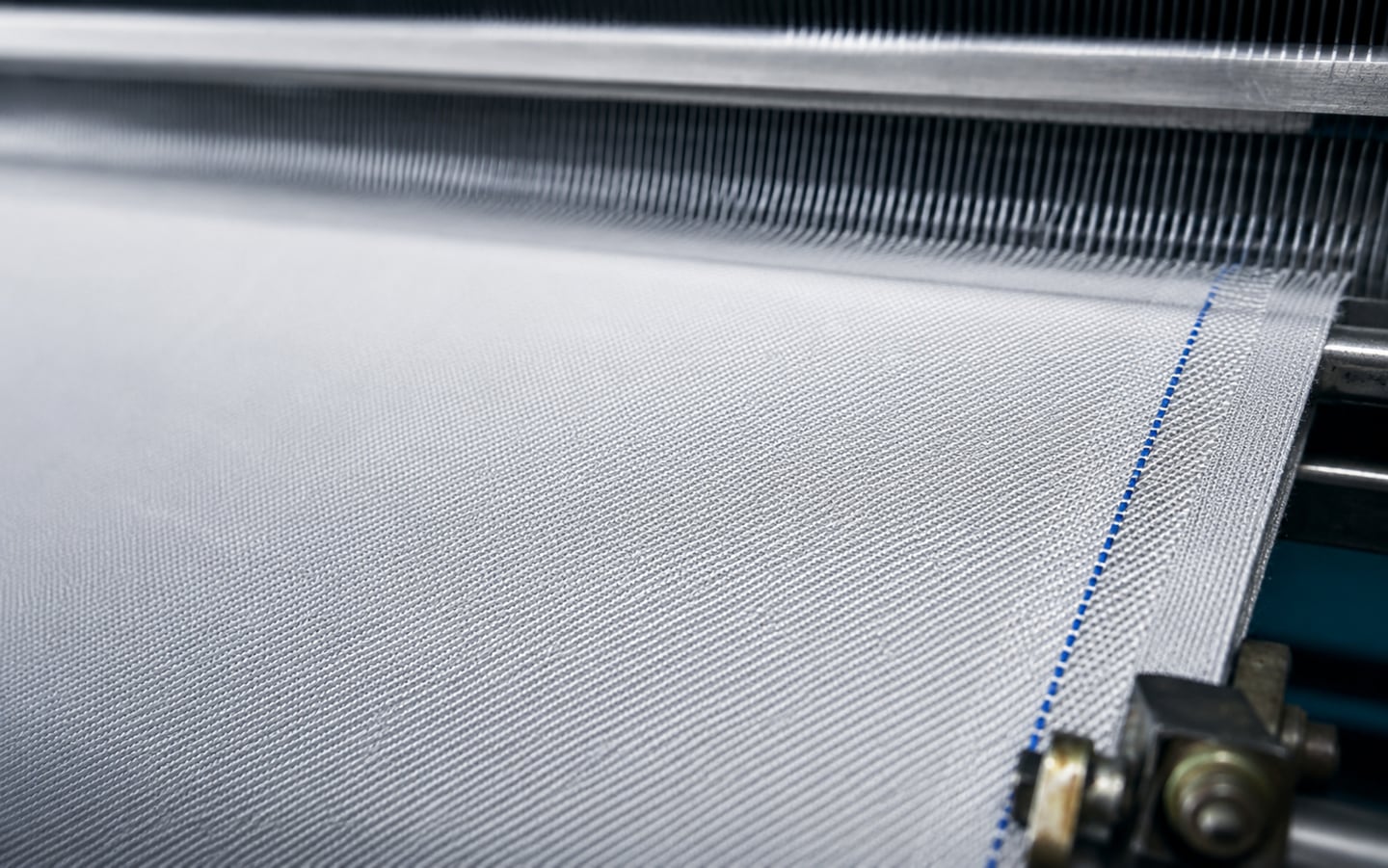
Polymer Selection
Each polymer offers a unique balance of chemical resistance, mechanical strength and temperature capability.
Scroll the table sideways to compare all three polymers →
| Property | Polypropylene (PP) | Polyester (PET) | Nylon (PA) |
|---|---|---|---|
| Acid Resistance | |||
| Alkali Resistance | |||
| Solvent Resistance | |||
| Abrasion / Wear Resistance | |||
| Tensile / Mechanical Strength | |||
| Dimensional Stability | |||
| Moisture Absorption | |||
| Max. Continuous Operating Temp. (Dry) | 90 °C (194 °F) | 150 °C (302 °F) | 120 °C (248 °F) |
More filled dots indicate better performance for filtration duty. All other polymers including PPS, PEEK, PTFE, PVDF and specialty materials are available upon request.
Yarn Construction
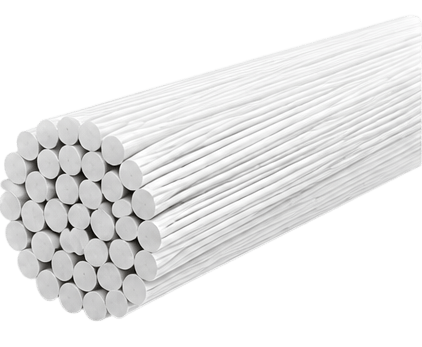
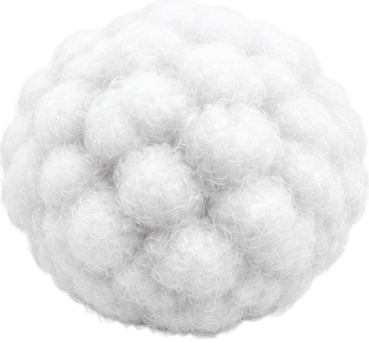
Yarn type significantly influences filtration efficiency, flow rate, cake release and fabric life.
Monofilament
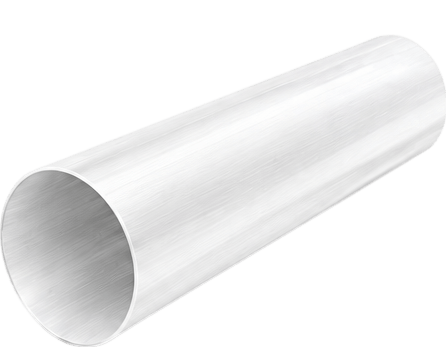
Multifilament
Staple Fibre (Spun)
Hybrid Constructions Available
- Monofilament + Multifilament
- Monofilament + Staple Fibre
- Custom Combinations as per Requirement
Weave Architecture
Weave design controls fabric porosity, strength, flexibility and surface characteristics.
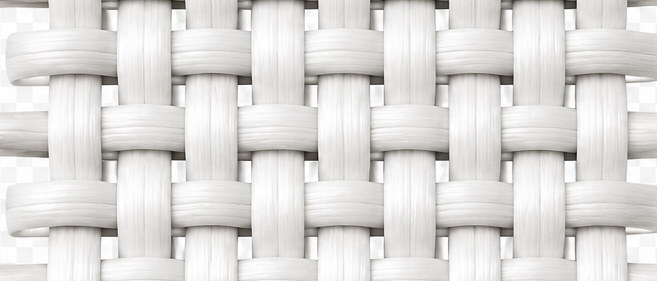
- Balanced performance
- Good dimensional stability
- Uniform pore structure
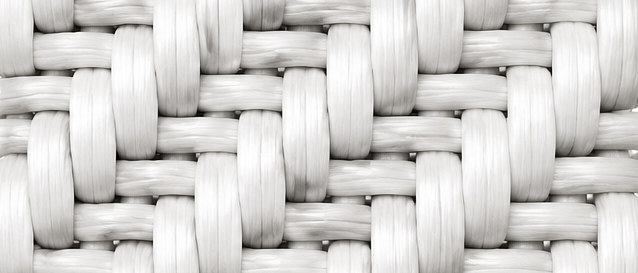
- Higher flow rate
- Better flexibility
- Good mechanical strength
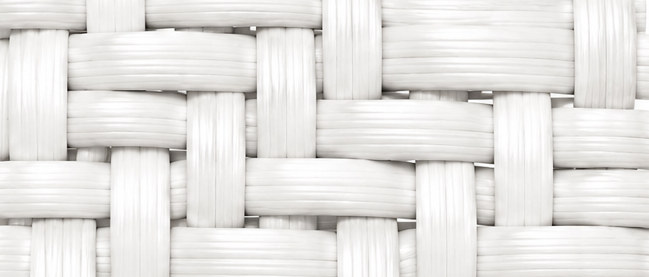
- Superior cake release
- Smooth fabric surface
- High flow, fine filtration
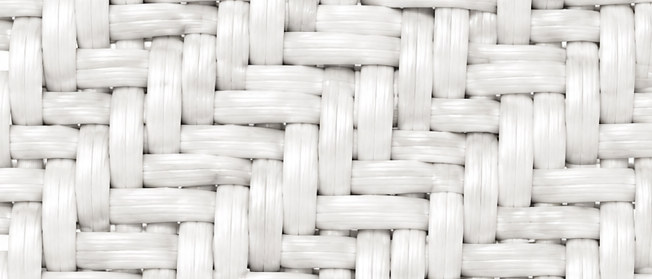
- Enhanced drainage
- Improved permeability
- Reduced blinding
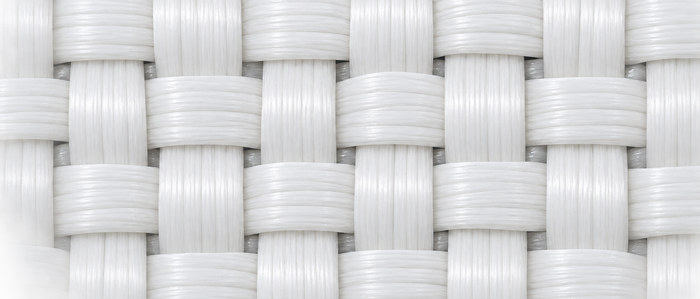
- Tailored to process needs
- Optimized performance
- Application specific
Surface Engineering
Surface treatments enhance fabric performance, service life and process efficiency.

Singeing
- Removes protruding fibres
- Cleaner fabric surface
- Improved filtration efficiency

Heat Setting
- Improves dimensional stability
- Controls pore geometry
- Reduces shrinkage

Calendering
- Smooth fabric surface
- Improved cake release
- Controlled permeability

Antistatic Integration
- Carbon / stainless conductive yarns
- Reduces static build-up
- EN-1149 compliant solutions
Stocked.
Ready.
Dispatched.

Ex-Stock Availability
Most filtration fabrics available ex-stock.

70, 100 & 150 Mtr Rolls
Standard lengths, plus custom lengths cut to your requirement.

Same Day Dispatch
Same day dispatch for stocked items.
Packed to Travel.
Numbered to Find.
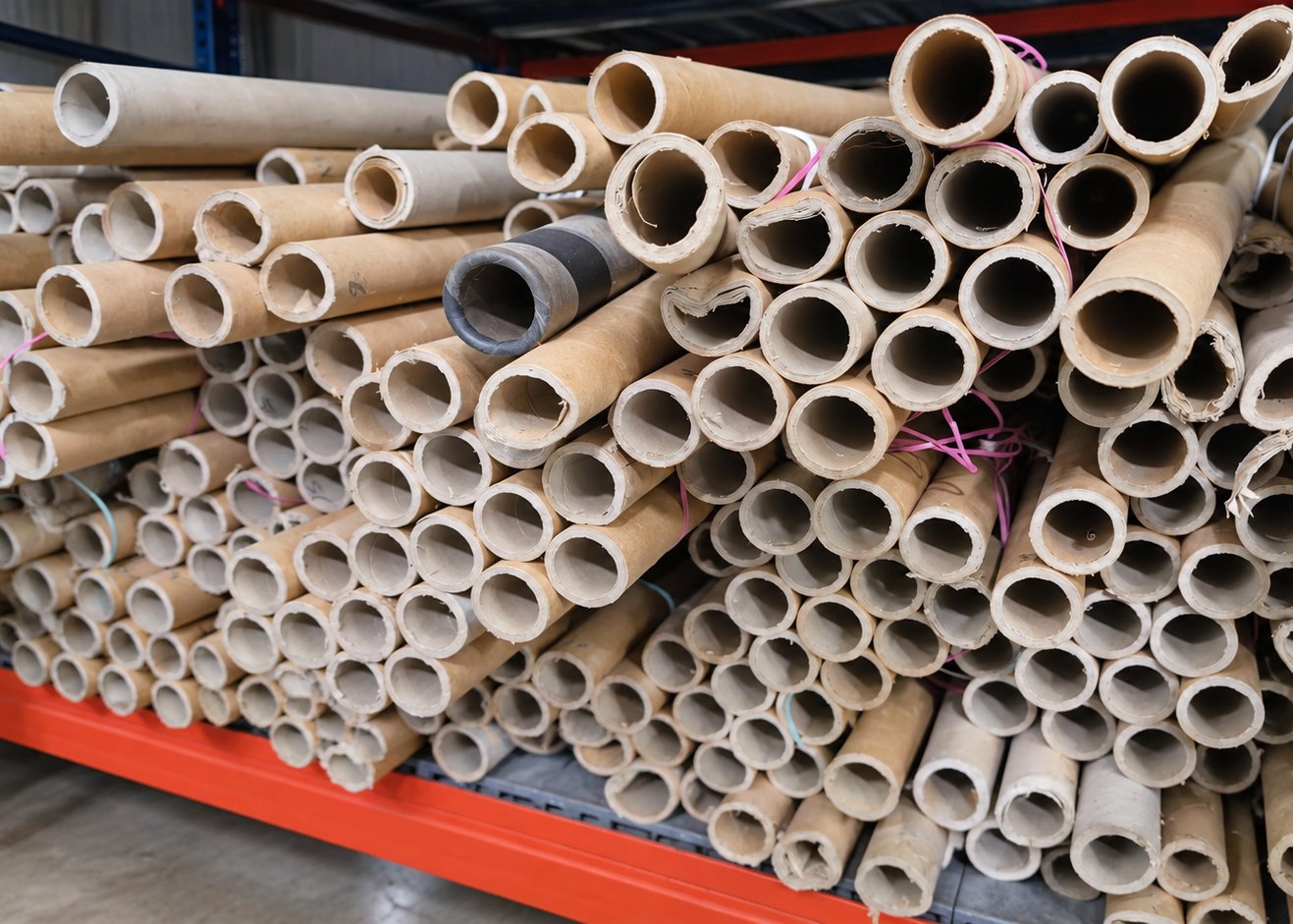
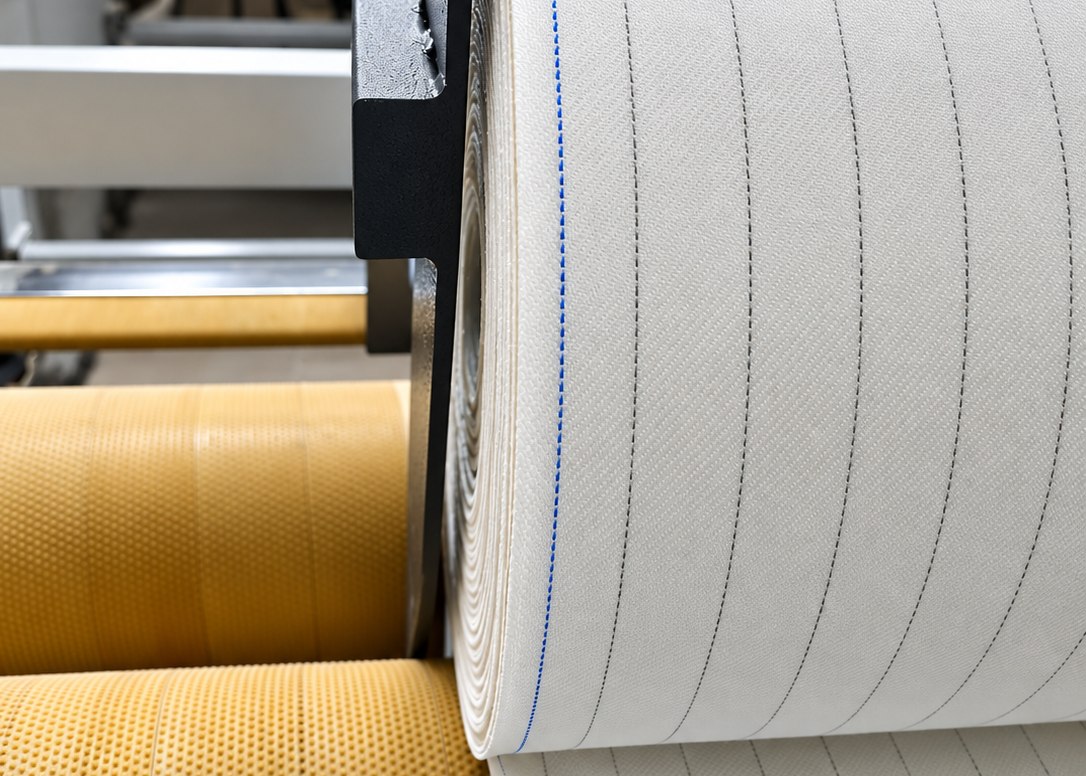
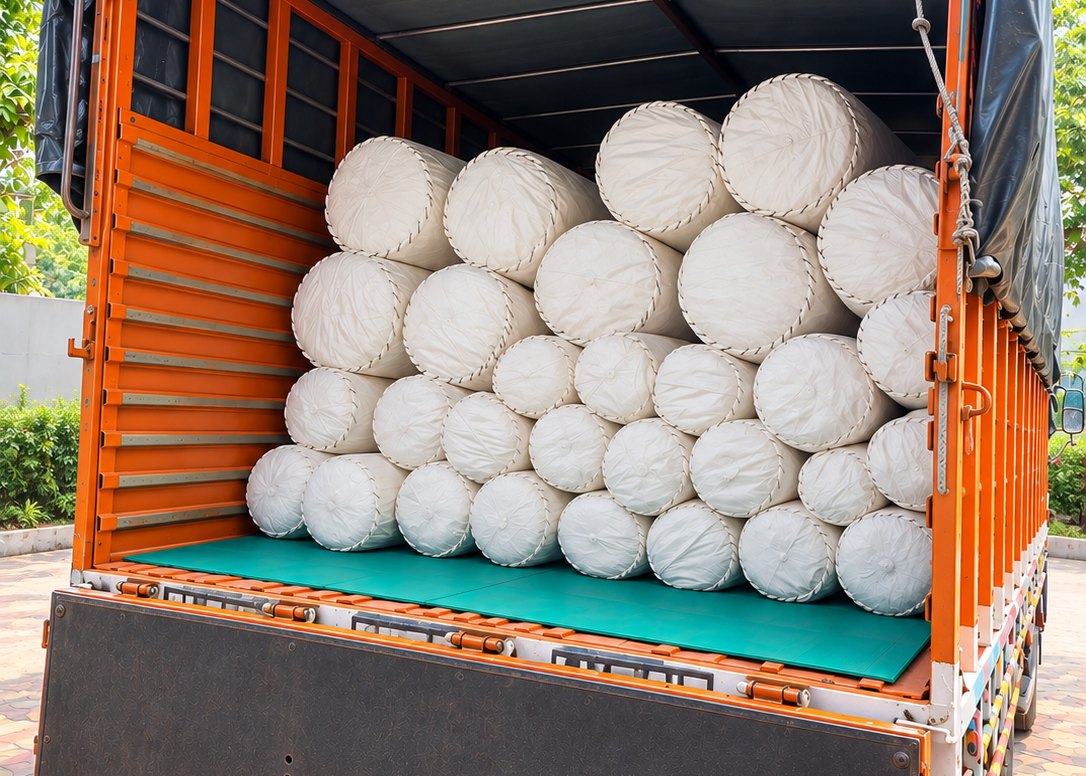
Every roll leaves our plant on a heavy paper tube, wrapped for the journey it is making, and labelled so a stack in your godown can be read without opening a single wrap.
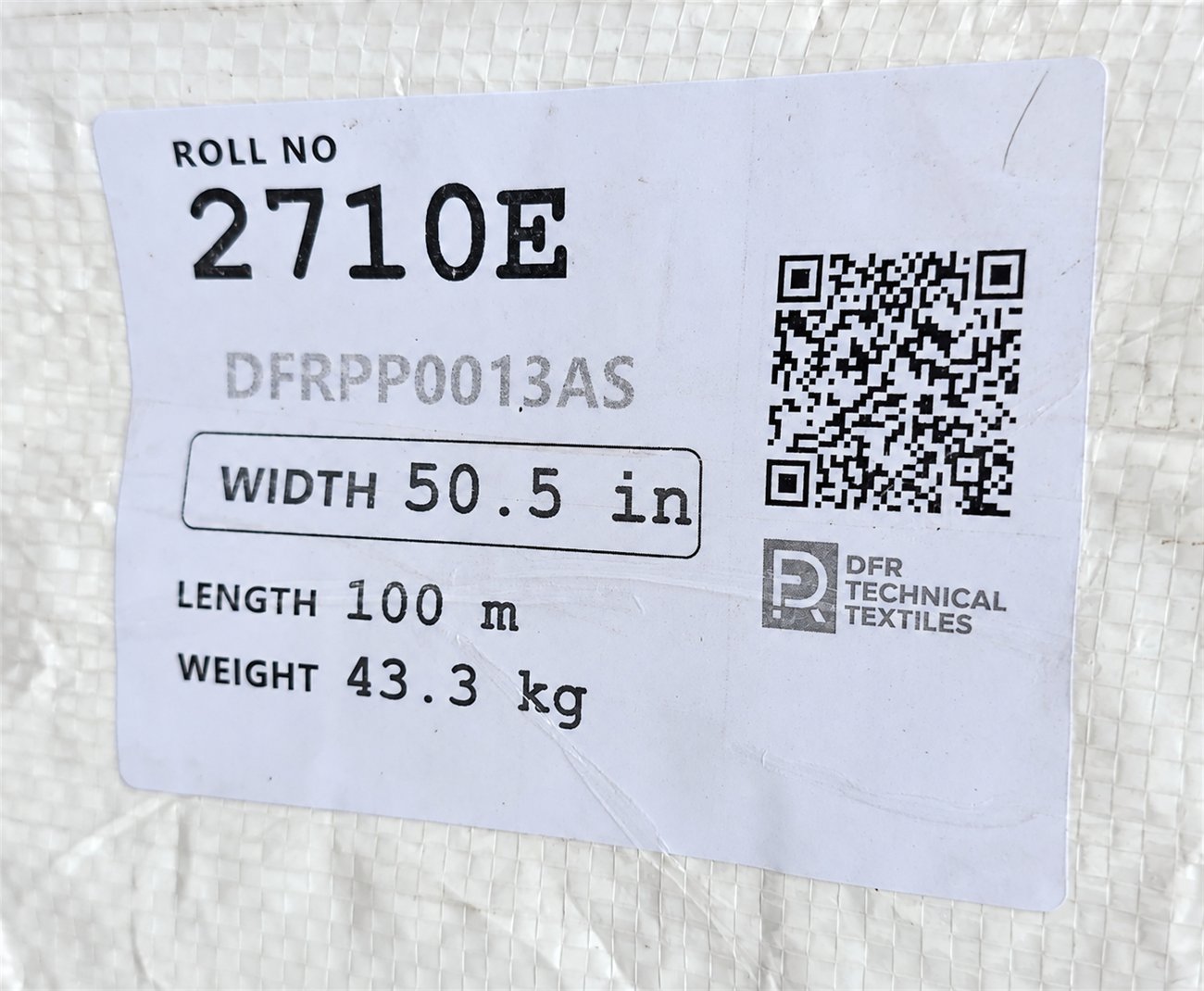
- A unique roll number on every roll — 2776A, 2776B, 2776C from the same production lot
- The article code, so the construction is identifiable at a glance
- Width, length and weight printed on the label — nothing to re-measure or re-weigh on receipt
- A QR code carrying the same details, ready to scan into your own stock records
- The roll number is our thread back to the lot if a question ever comes up
Heavy-Duty Paper Tube
Thick-walled paper cores, not light-weight ones, so the roll keeps its shape on the rack, on the truck and on your unwinding stand.
Double HDPE — Domestic
Two HDPE sheets over every roll dispatched within India, against dust, moisture and the scuffing a roll takes in transit.
Triple HDPE — Export
Three HDPE sheets with an additional polythene wrap for sea freight, where a container sweats and the air carries salt for weeks at a time.
Roll-Wise Packing List
Every consignment ships with a list of its roll numbers against width, length and weight — your goods-inward check is reading, not measuring.
Standard rolls run 70, 100 and 150 metres, and we cut to your own length as well — our looms weave up to 2000 metres jointless, so a custom length is still one unjoined roll. A finished roll typically weighs 40 to 60 kg. Store rolls on racks, off the floor and out of direct sunlight: prolonged UV weakens polypropylene, whatever it was woven into.

Up to 3 Mtr Jointless Width
Wide-width weaving removes the seam from the filtration area, eliminating a common leak and wear path.

Up to 2000 Mtr Jointless Length
Long continuous runs for belt filters and high-volume made-up production, with consistent properties end to end.

Custom Constructions
Weight, permeability, thickness and finish engineered to a target — sampled, tested and documented before bulk production.
Send us the duty.
We'll send the construction.
Slurry chemistry, operating temperature, particle size, target cake moisture and cycle time are enough for us to propose a polymer, yarn and weave combination — with a test report to back it.