
Food & Agro Processing Filtration Solutions
Clear oil, clear syrup: filtration cloth for edible-oil refineries, sugar mills and starch plants.

Hot, Sticky Streams,
a Product That Must Run Clear.
Edible-oil refining, sugar and starch plants filter fine bleaching earth, carbon and mud from hot, viscous, sticky streams, and the product itself is what must run clear. DFR Technical Textiles weaves food-contact press, leaf-filter and mud-filter cloths that capture fine adsorbents from the first cycle, release the spent cake with less oil in it, and last through hot, continuous duties.
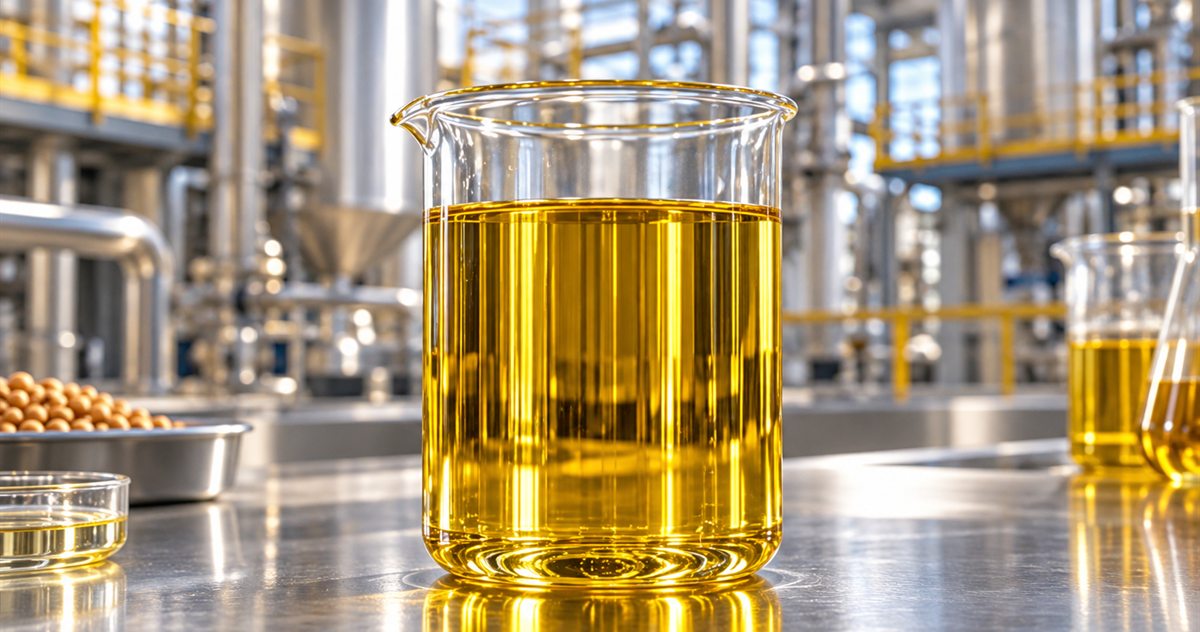
Bright, Haze-Free Filtrate
Less Oil Lost in the Cake
Food-Contact Polymers
Long Life in Hot Duties
Three Problems
We Are Asked to Fix.
Bleaching-earth and carbon filtration
How our cloth helps
Tight multifilament weaves capture fine bleaching earth and activated carbon from the first cycle, with pre-coat where needed, for a bright, haze-free filtrate.
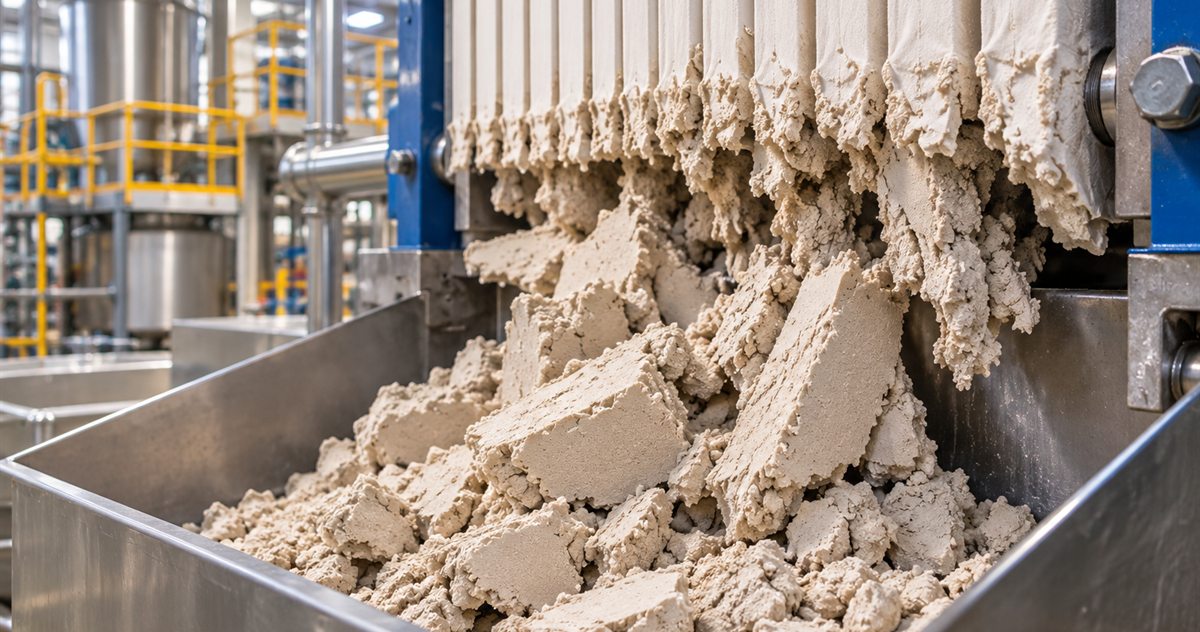
Oil held in the spent cake
How our cloth helps
Smooth, calendered faces release the earth cake cleanly and let it blow dry: less oil lost with the cake, and a cleaner cloth for the next cycle.
Sugar mud, starch and glucose
How our cloth helps
Purpose-woven mud-filter cloths for sugar carbonatation, and press cloths for starch and glucose, in food-contact polymers with long life under hot, sticky duties.
Where DFR
Adds Value.
Our cloths work at the bleaching, carbonatation and dewatering steps that set product clarity and yield.
Crude Oil / Juice
Neutralised oil or raw juice enters the refinery.
Adsorbent Dosing
Bleaching earth, carbon or lime is added to the stream.
Press / Leaf Filtration
DFR cloths hold earth, carbon and mud; the filtrate runs bright.
Cake Blow-Down
Spent cake is steamed or blown dry, so less oil is lost with the earth.
Clear Product
Oil to deodorising, syrup to evaporation, starch to drying.
Three Filtration Duties

Edible Oil Refineries
Bleaching, winterisation, dewaxing
- Captures fine bleaching earth and carbon
- Bright, haze-free oil from the first cycle
- Clean release of spent earth cake
- Low residual oil in the cake
- PP and polyester food-contact grades
Sugar Mills
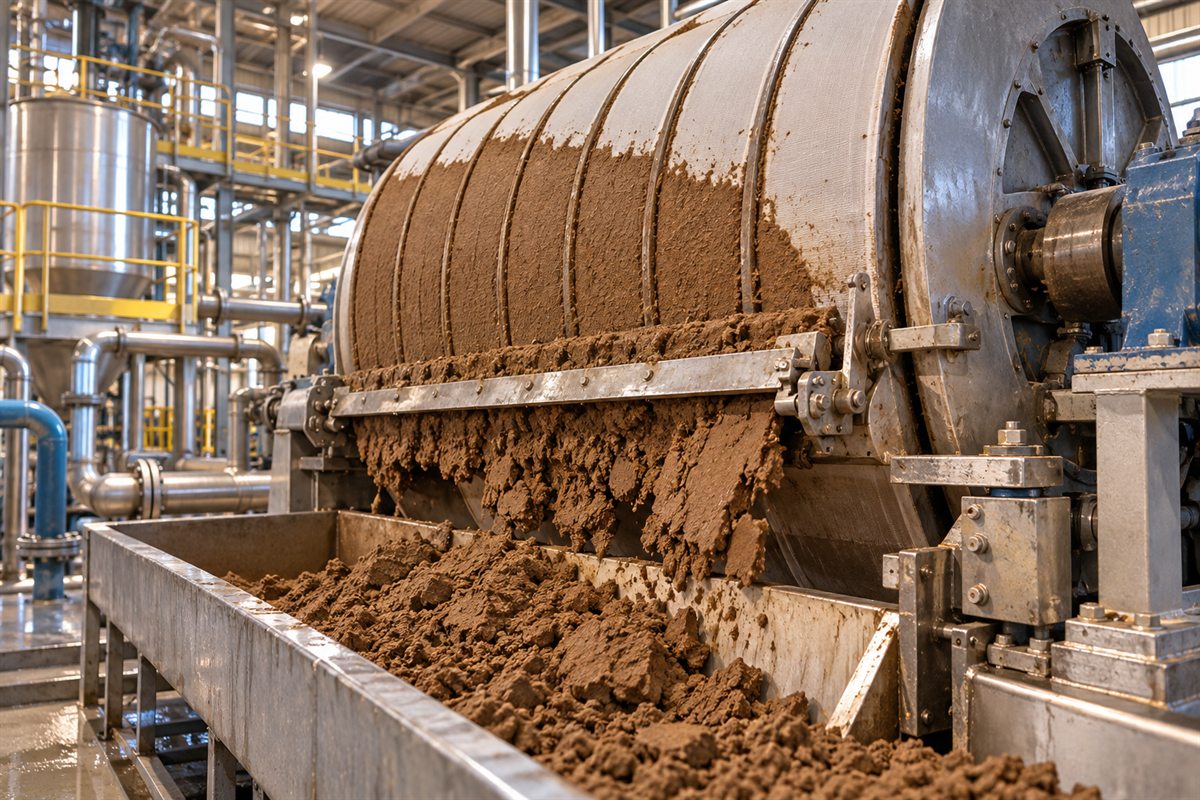
Carbonatation and mud filtration
- Purpose-woven mud-filter cloths
- Rotary vacuum and press filters
- High-strength polyester for hot juice
- Resists sticky, sugary blinding
- Long life through the season
Starch & Glucose
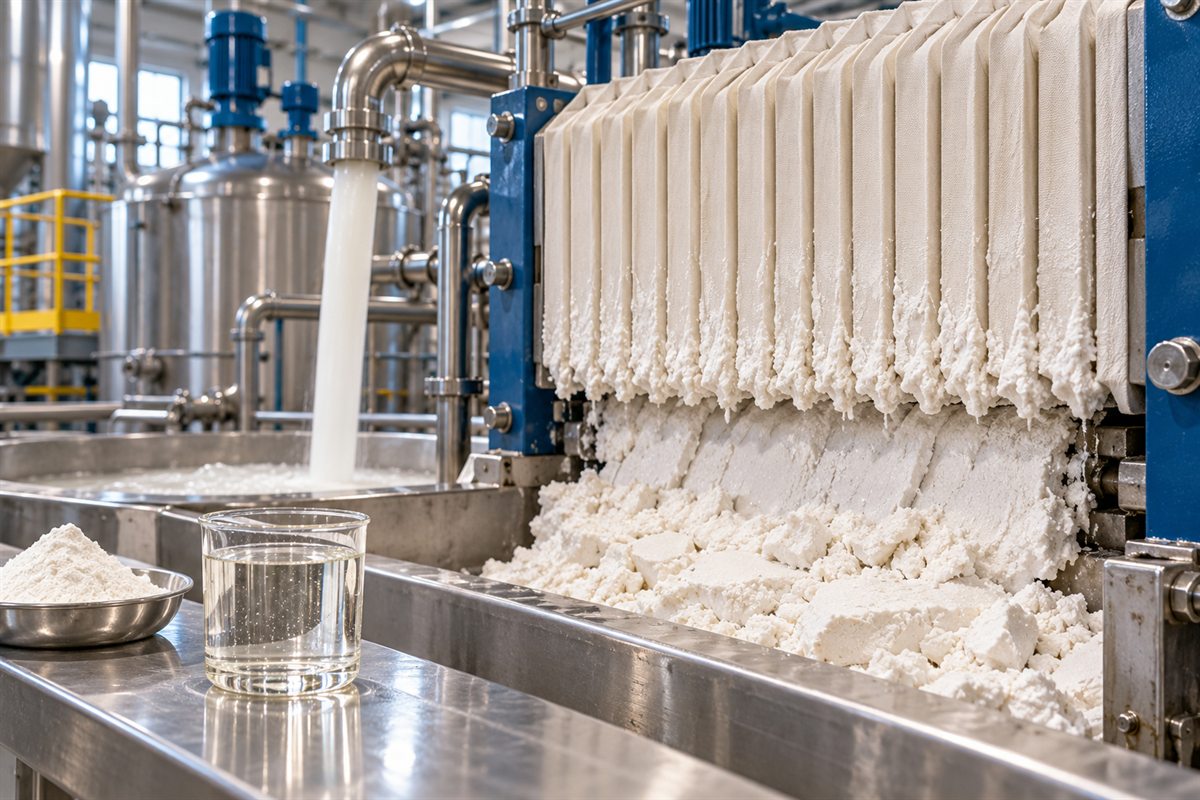
Dewatering and polishing
- Press and vacuum cloths for starch
- Glucose and dextrose polishing
- Retains fine starch granules
- Clear filtrate, high recovery
- Food-contact polymers
Food-Contact Polymers, Woven & Stitched In-House,
to Your Filter Drawing.
Press & Leaf-Filter Cloths for Refineries
Edible-oil bleaching and winterisation; PP and polyester; sealed edges.
Filter press clothsMud-Filter Cloths for Sugar
Carbonatation and rotary vacuum mud filters; high-strength polyester.
Filtration made-upsStarch & Glucose Cloths
Press and vacuum cloths for starch dewatering and glucose polishing.
Filter press clothsCentrifuge & Dryer Bags
For sugar centrifuges and fluid-bed dryers on the same line.
Filtration made-upsAvailable Fabric Configurations
Polypropylene (PP)
Food-contact grade, acid and alkali resistant
Polyester (PET)
Hot oil and juice, dimensional stability
Monofilament
Easy cake release, non-blinding
Multifilament
Fine adsorbent retention, bright filtrate
Calendered & Sealed
Smooth face, sealed edges, gasketed option
Why Choose DFR Filter Cloths
for Edible Oil, Sugar & Starch Plants?
Filtrate Clarity
Tight weaves capture fine earth and carbon from cycle one.
Higher Oil Yield
A smooth release face leaves less oil in the spent cake.
Food-Contact Grades
PP and polyester suitable for food processing.
Hot, Sticky Duties
Heat-set constructions last through the season.
Woven & Stitched In-House
Yarn to finished cloth in one facility in Gujarat, supplying edible-oil, sugar and starch plants.
Cut to Your Drawing
Recessed, membrane, plate & frame or CGR. Standard sizes from stock.
Bright filtrate.
More oil kept.
Send us your filter type and size, the product (oil, juice, syrup or starch), its temperature and the adsorbent you dose. We will propose a food-contact construction for it.